
Product Information
- Category: Packaging
Types of Packaging
Packaging
Vacuum Packaging
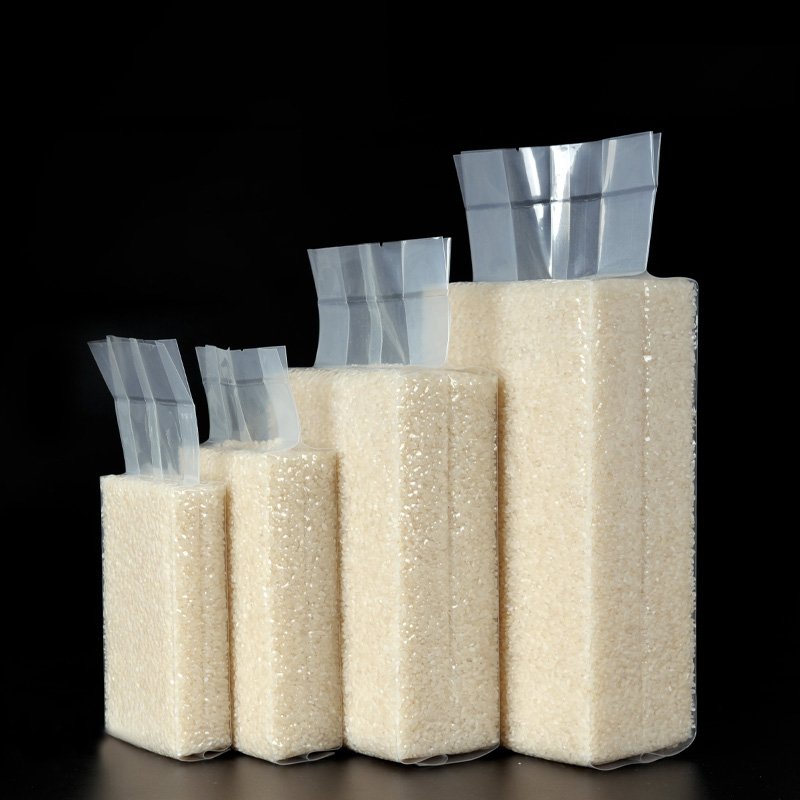
Vacuum packaging is a modern and efficient method of preserving and storing various types of products, ranging from food to electronic components. This technique involves removing the air from the packaging before sealing it, creating a vacuum environment inside. By eliminating oxygen, which is the primary factor that leads to spoilage and degradation, vacuum packaging helps extend the shelf life of perishable goods. This process also helps protect products from external factors such as moisture, dust, and contaminants, ensuring their quality and freshness over a longer period.
Vacuum packaging is widely used in the food industry for items like rice, wheat, and vegetables, as well as in industries where maintaining the integrity of sensitive materials is crucial. The convenience, preservation benefits, and reduction in food waste make vacuum packaging an essential innovation in modern packaging technology.
Benefits of Vacuum Packaging:
1. Longer Shelf Life: By removing air, there is no oxygen in the bag for weevils, bacteria, or fungi to survive.
2. No Damages: The bag’s strength has been improved massively! Plus, by having no air there are fewer damages as when pressure is applied on bags during loading/offloading air is not looking for space to get out.
3. Need Less Storage Space: By removing air, we have made bags flat, meaning you can stack more bags in the same amount of space. This is very good for customers with small stores e.g., restaurants, small supermarkets, or wholesalers.

Packaging
Jumbo Vacuum Bags
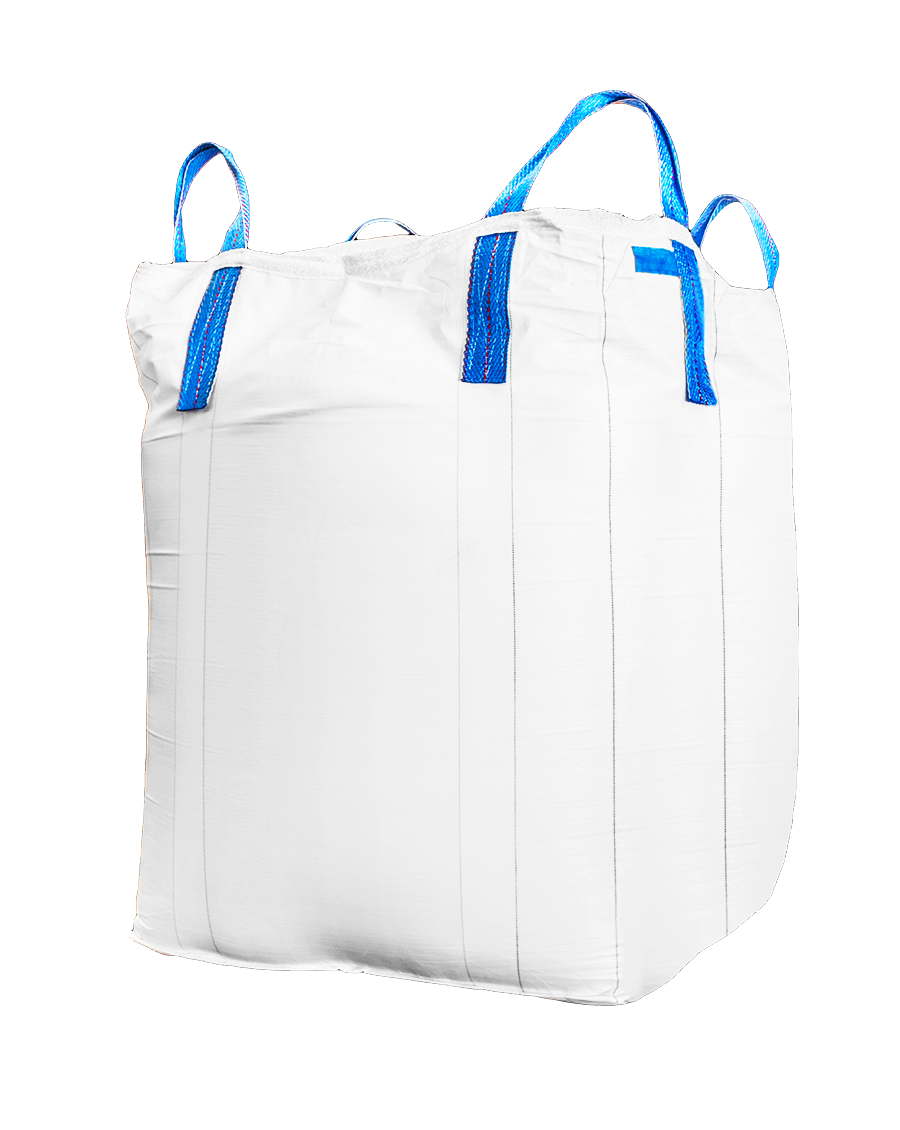
Jumbo bags, also known as bulk bags or FIBCs (Flexible Intermediate Bulk Containers), are large and highly durable containers designed to handle and transport a wide range of bulk materials. These bags are commonly used in industries such as agriculture, construction, mining, and manufacturing, where large quantities of materials like grains, minerals, chemicals, and construction aggregates need to be efficiently transported and stored.
Jumbo bags are typically made from woven polypropylene fabric, which provides both strength and flexibility. They come in various sizes and designs, including different lifting and closure mechanisms to suit the specific requirements of different industries. The versatility of jumbo bags makes them an ideal solution for simplifying the handling and storage of bulk materials, streamlining logistical processes, and ensuring the safe and economical transportation of goods across various sectors.

Packaging
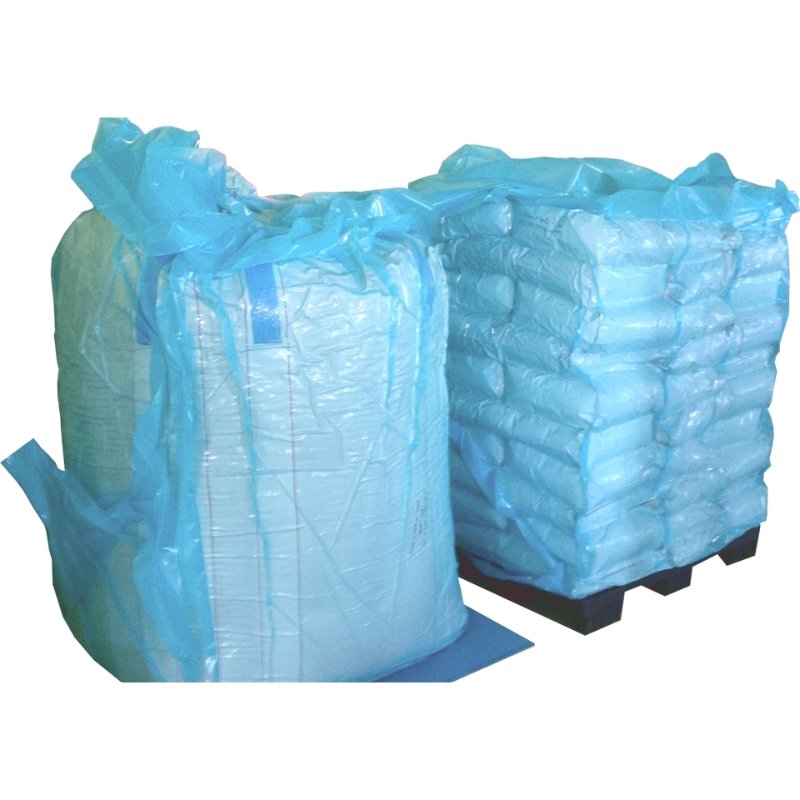
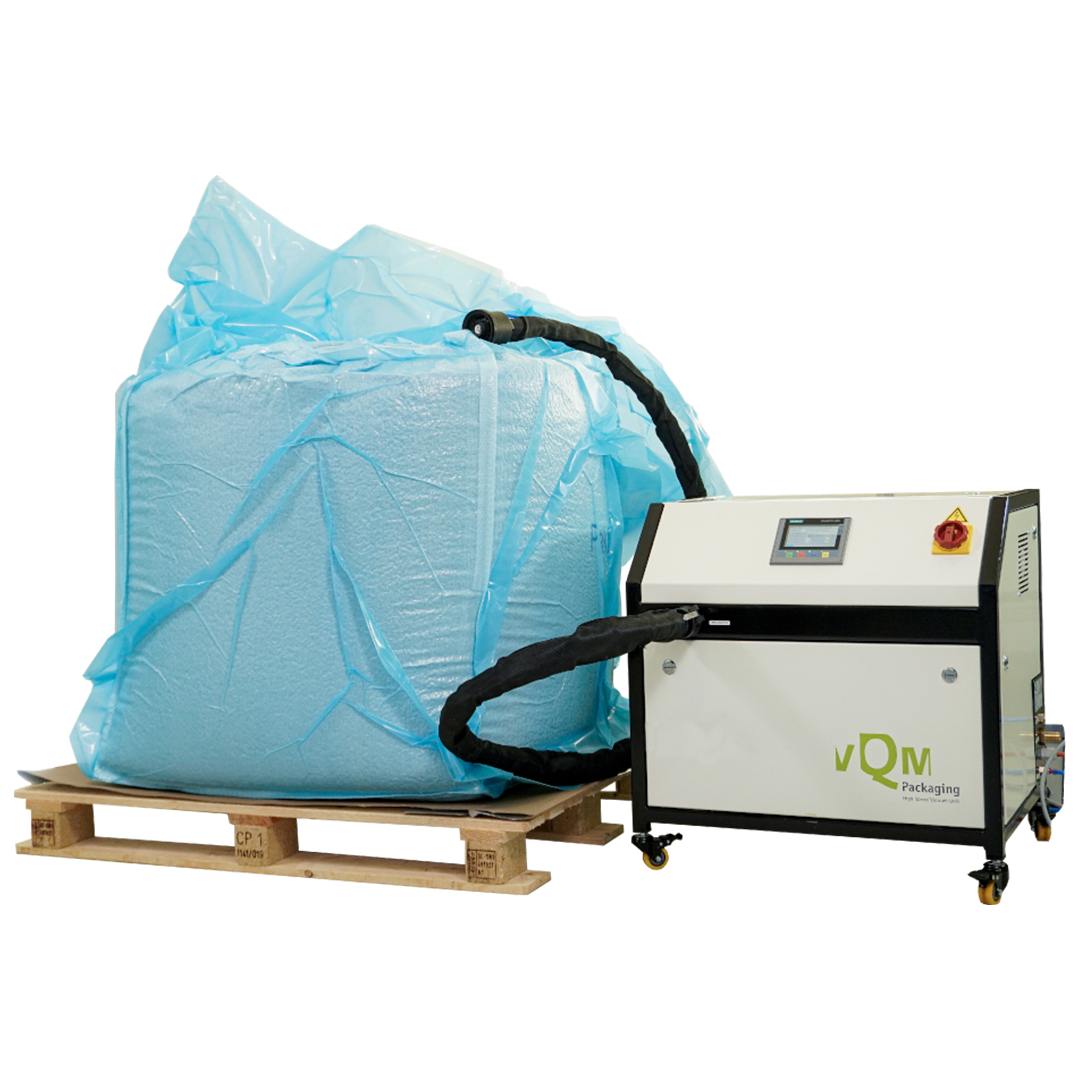
Jumbo Vacuum Bags with CO2 Fumigation
Jumbo bags with CO2 refer to the use of carbon dioxide (CO2) as a method to preserve and protect the contents of these large bulk containers. This technique involves introducing controlled amounts of carbon dioxide gas into the jumbo bags before sealing them. The CO2 displaces the oxygen within the bag, creating a modified atmosphere that helps to extend the shelf life of the stored materials.
This process is particularly useful for products such as grains, seeds, and other perishable goods, as it can inhibit the growth of spoilage microorganisms and slow down the oxidation process that leads to deterioration. By reducing the oxygen levels, jumbo bags with CO2 can help maintain the quality and freshness of the contents, thereby reducing waste and improving the overall efficiency of storage and transportation in industries dealing with bulk materials.
Packaging
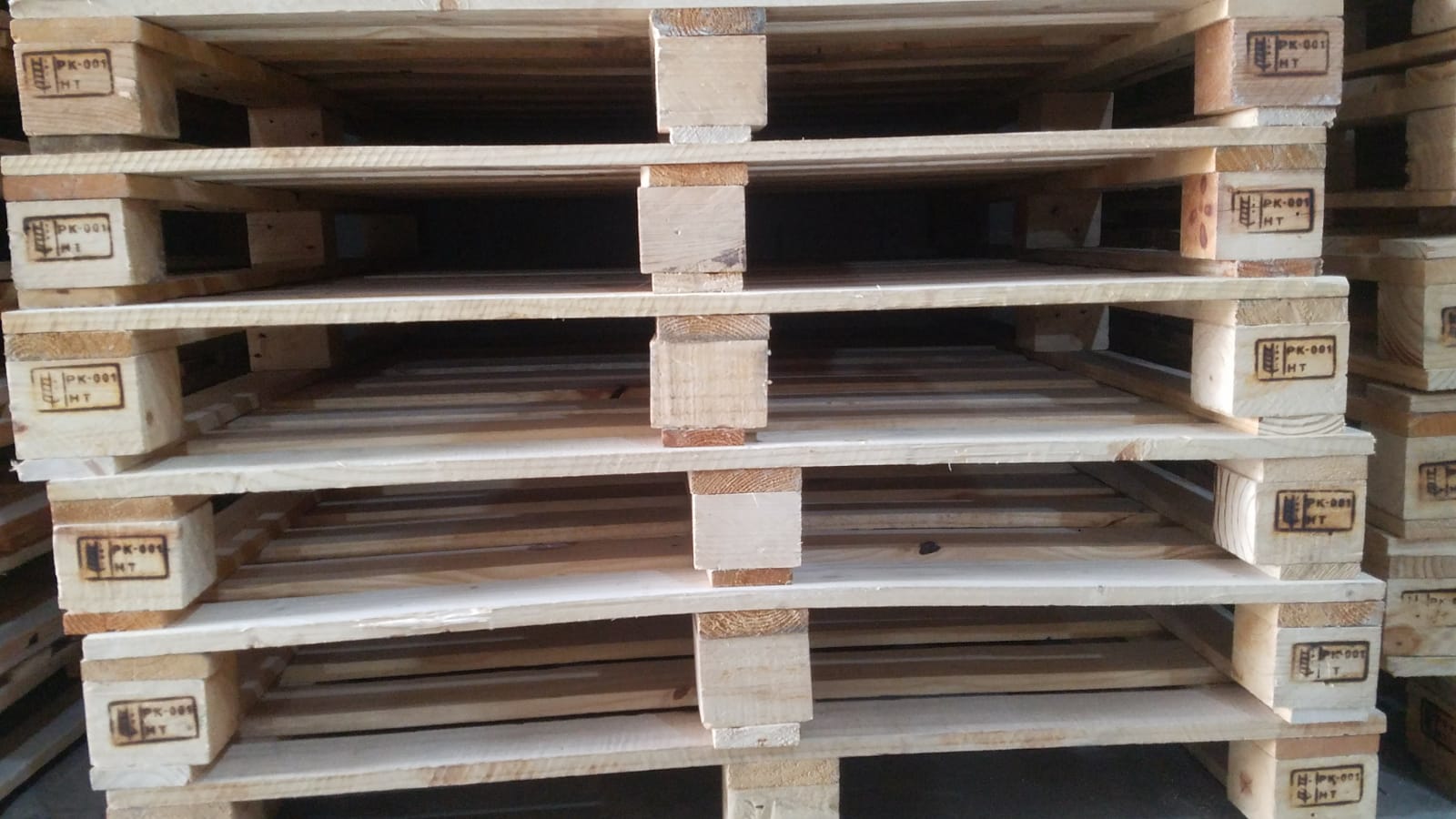
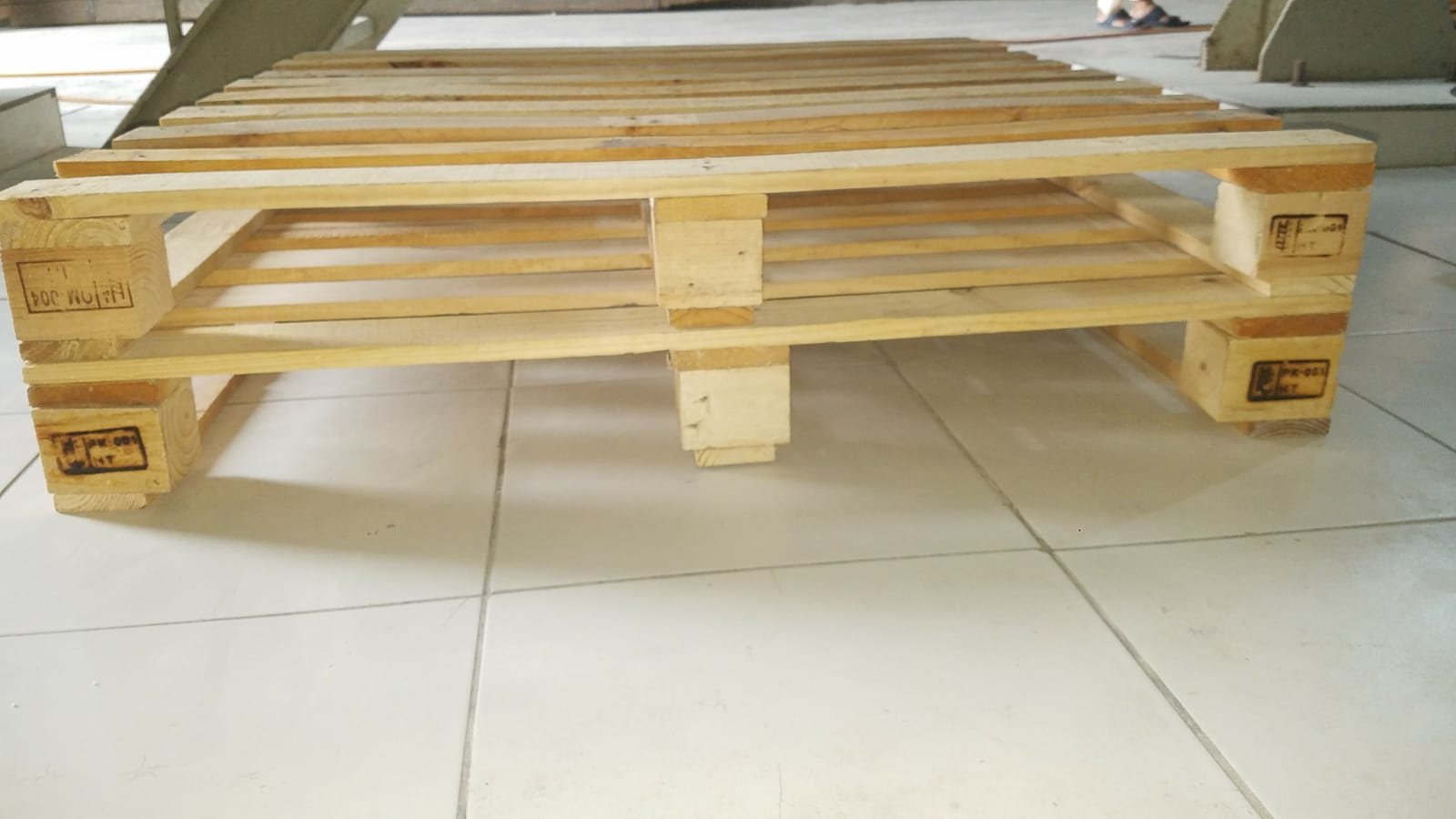
Wooden Pallet Treatment – CO₂ & Heat Treatment
Wooden pallet treatment plays an important role in maintaining hygiene, preventing pest contamination, and ensuring compliance with international shipping standards. At ARMCOM, wooden pallets are treated using CO₂ fumigation and heat treatment methods to effectively eliminate insects, fungi, and other harmful organisms that may be present on the wood surface.
CO₂ treatment involves placing pallets in a sealed environment where high concentrations of carbon dioxide replace oxygen. This process eliminates pests at all life stages—including eggs, larvae, pupae, and adult insects—without the use of harmful chemicals. Because CO₂ leaves no residue and does not affect the structural integrity of the wood, it is a safe and environmentally friendly solution for food-grade supply chains.
In addition, heat treatment is used to comply with international phytosanitary standards such as ISPM 15. During this process, pallets are heated to a core temperature of at least 56°C for a minimum of 30 minutes, effectively destroying pests and pathogens. Heat-treated pallets are widely accepted for global trade and help prevent the spread of invasive species across borders.
By using both CO₂ fumigation and heat treatment, ARMCOM ensures that all wooden pallets used in packaging meet strict quality, safety, and international export requirements, supporting a clean, reliable, and sustainable supply chain.

Packaging
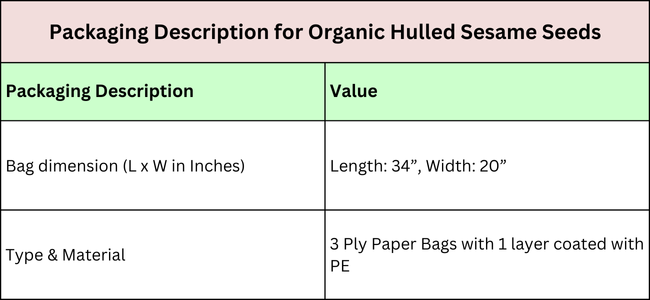
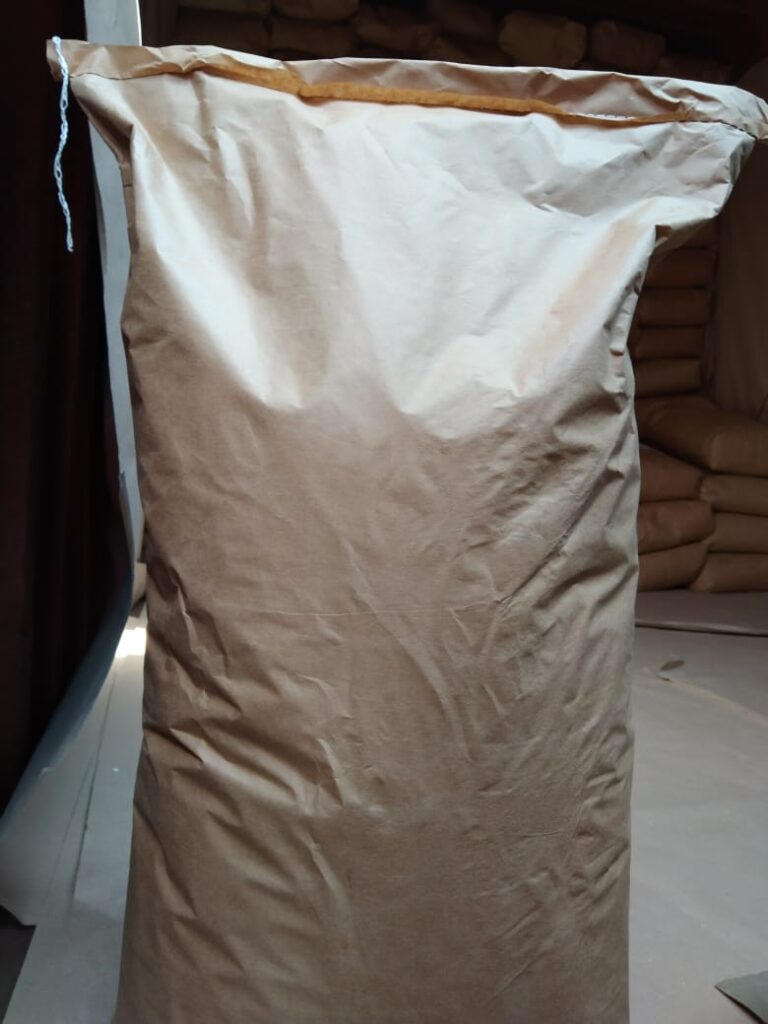
Paper Bags
Our high-quality sesame paper bags are designed to securely store and transport sesame seeds and other dry goods. These robust bags are made from durable, eco-friendly paper, ensuring the safety and freshness of the contents. The bags feature a sturdy construction with a reliable sealing mechanism to prevent spillage and protect against moisture.
Key Features:
- Material: Eco-friendly, durable paper
- Design: Strong and secure, with a reliable sealing mechanism
- Usage: Ideal for storing and transporting sesame seeds and other dry goods
- Capacity: Generous size to hold large quantities
- Eco-Friendly: Made from recyclable materials